
Do You Have to Disclose Virtual Staging? UK Rules, ASA & Portal Compliance
Is virtual staging legal, and do you have to say a photo is staged? A plain guide to UK advertising rules, the CPRs, ASA guidance and how to label staged images on Rightmove and Zoopla.
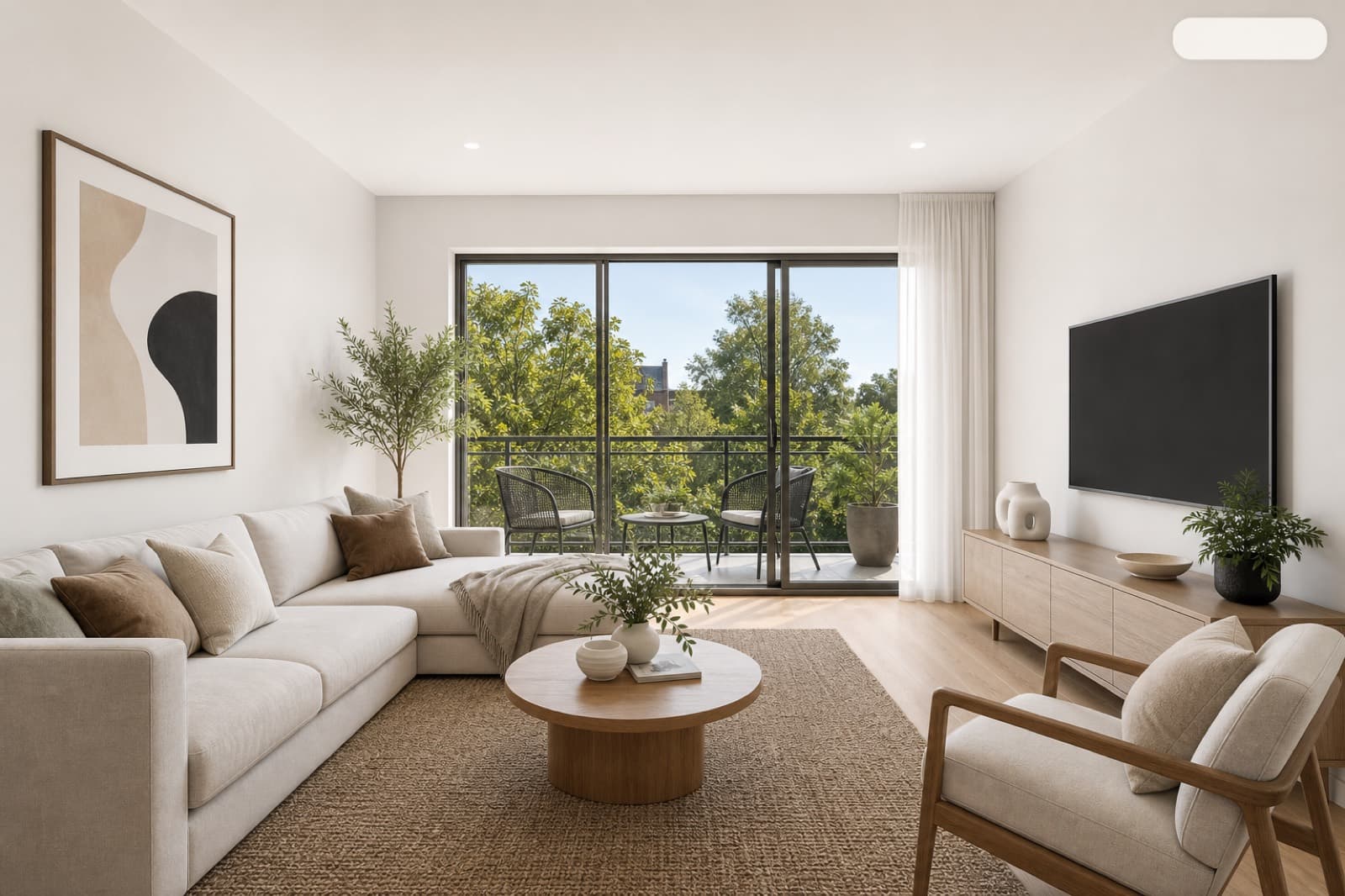
Key Takeaways
- Virtual staging is legal in the UK when it does not mislead.
- The CPRs require you not to give a false impression of a property.
- Label staged images clearly, e.g. "virtually staged for illustration".
- Keep staging true to the real layout, size and permanent fixtures.
- Include at least one genuine, unstaged photo in the listing.
Virtual staging is a powerful marketing tool — but because it changes what a property looks like in photos, agents and landlords are right to ask: is this allowed, and do I have to tell people? The short answer is that virtual staging is perfectly legal in the UK, provided you are honest about it. This guide explains the rules in plain English and shows you how to stay compliant.
This article is general guidance, not legal advice. If you are unsure about a specific listing, check with your compliance team or a solicitor.
Is virtual staging legal in the UK?
Yes. There is no law that bans virtual staging. What the law does require is that you don't mislead consumers. The key framework is the Consumer Protection from Unfair Trading Regulations (CPRs), which prohibit giving buyers or tenants a false impression that could affect their decision. Property advertising is also expected to follow Advertising Standards Authority (ASA) principles and the standards promoted by bodies such as the National Trading Standards Estate and Letting Agency Team (NTSELAT).
Put simply: stage all you like — just don't deceive.
Do you have to disclose that a photo is virtually staged?
In practice, yes — you should clearly disclose it. Because staging adds furniture and décor that are not physically present, an unlabelled staged photo could give a false impression. A clear label removes that risk and builds trust.
The safest approach is to assume disclosure is required and label every staged image. It costs you nothing and protects you completely.
What "misleading" actually means
Virtual staging crosses the line when it changes a buyer's understanding of the property. Avoid anything that:
- Hides defects — damp, cracks, damage or stains must not be concealed by furniture or edits.
- Alters the layout or dimensions — never make rooms look bigger or reshape the space.
- Removes or adds permanent fixtures misleadingly — radiators, windows, built-in units and similar features should reflect reality.
- Implies included items that are not — if staged furniture is not part of the sale or tenancy, that must be clear.
For the honest, ethical foundations of staging, see what virtual staging is.
How to disclose virtual staging correctly
1. Label the image
Add a clear caption or on-image text such as:
"This image has been virtually staged for illustration purposes."
2. Cover it in the description if needed
If your CRM or portal feed does not support photo captions, add a short line to the property description noting that some images are virtually staged.
3. Always include real photos
Include at least one genuine, unstaged photo of each key room so buyers can see the actual space alongside the staged version. A before/after pairing is ideal.
4. Keep it true to life
Stage within the real dimensions and layout. If a room only fits a double bed, don't stage a super-king. Realism is both good marketing and good compliance.
Portal-specific notes: Rightmove & Zoopla
Both major UK portals allow virtually staged images provided they are clearly identified so buyers are not misled. For a step-by-step on placement and labelling, read how to use virtual staging on Rightmove and Zoopla.
A quick compliance checklist
- Every staged image is clearly labelled as virtually staged
- At least one real, unstaged photo is included per key room
- No defects are hidden by staging or editing
- Layout, dimensions and permanent fixtures are unchanged
- Description mentions staging if captions aren't supported
The bottom line
Virtual staging is legal and widely accepted in the UK — the only rule that really matters is don't mislead. Label your staged images, keep them true to the real property, and always show genuine photos alongside them. Do that, and you get all the marketing upside with none of the compliance risk.
Want staging that is realistic and portal-ready by default? Explore AI virtual staging or see it working for estate agents.
- #virtual staging disclosure
- #asa guidance
- #property advertising rules
- #rightmove zoopla compliance
- #consumer protection regulations
Frequently Asked Questions

Virtual Staging Studio Editorial
Property Marketing Editorial
Researched, practical guides on virtual staging, property marketing and presenting listings across the UK property portals.
Start transforming empty rooms today
Generate realistic virtual staging yourself in the app, or order done-for-you staging from our team. Either way, your next listing can look furnished in minutes.
Self-serve or done-for-you · talk to us
Related Articles
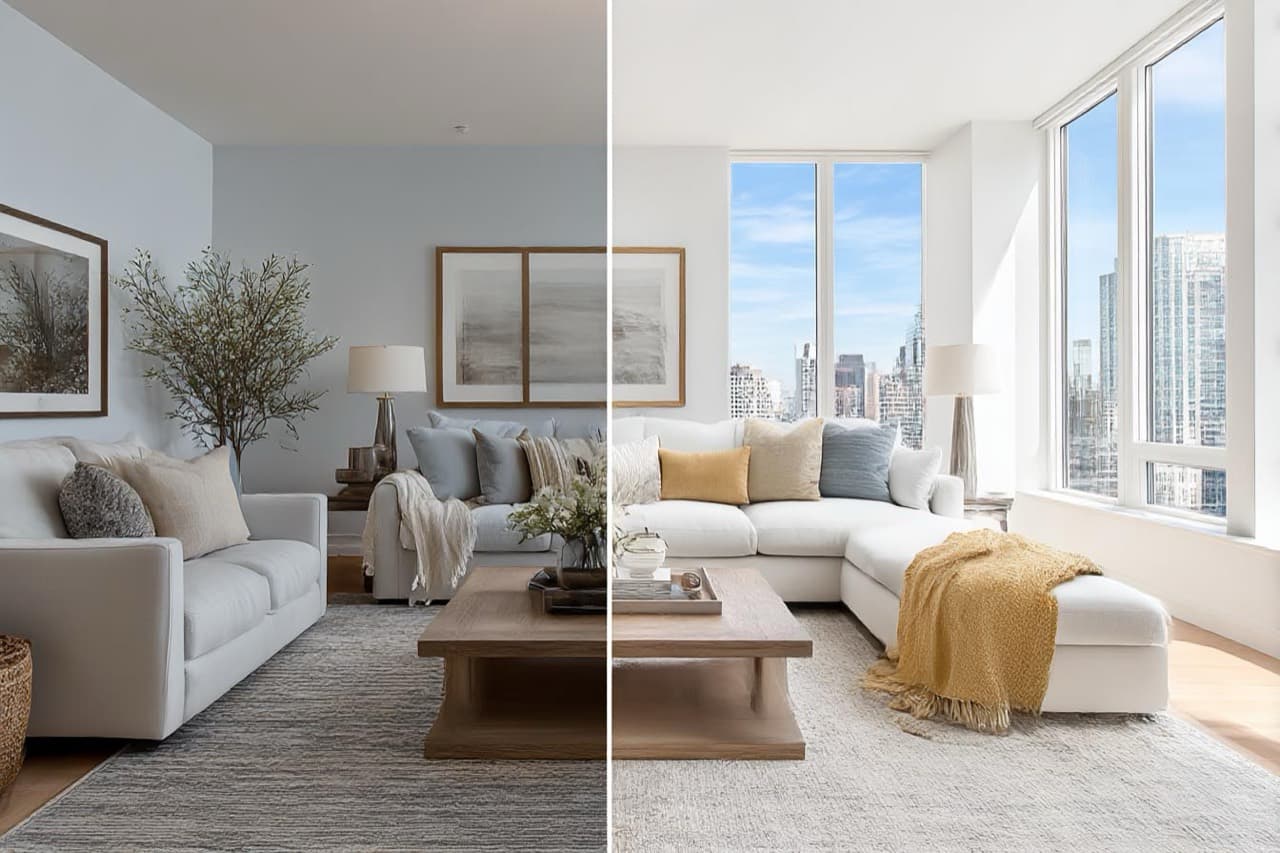
How to Use Virtual Staging in Property Portals Like Rightmove & Zoopla
You have stunning virtually staged images — now what? A practical guide to uploading, labelling and presenting them on Rightmove, Zoopla and other UK portals.
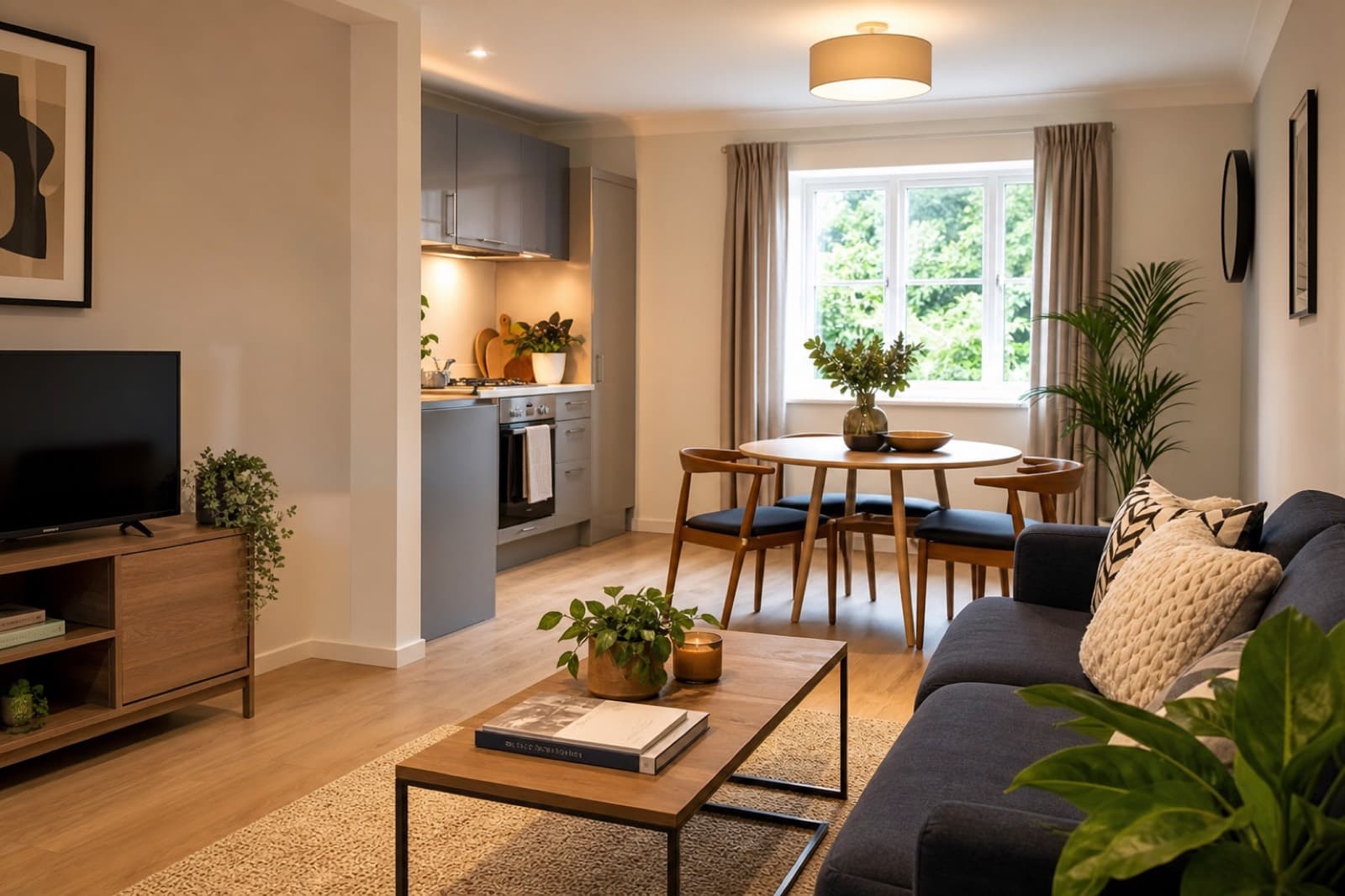
Virtual Staging for Rentals: How Landlords and Letting Agents Fill Voids Faster
Empty rentals cost money every day they sit vacant. Here is how landlords and letting agents use virtual staging to attract tenants, reduce void periods and let properties faster.
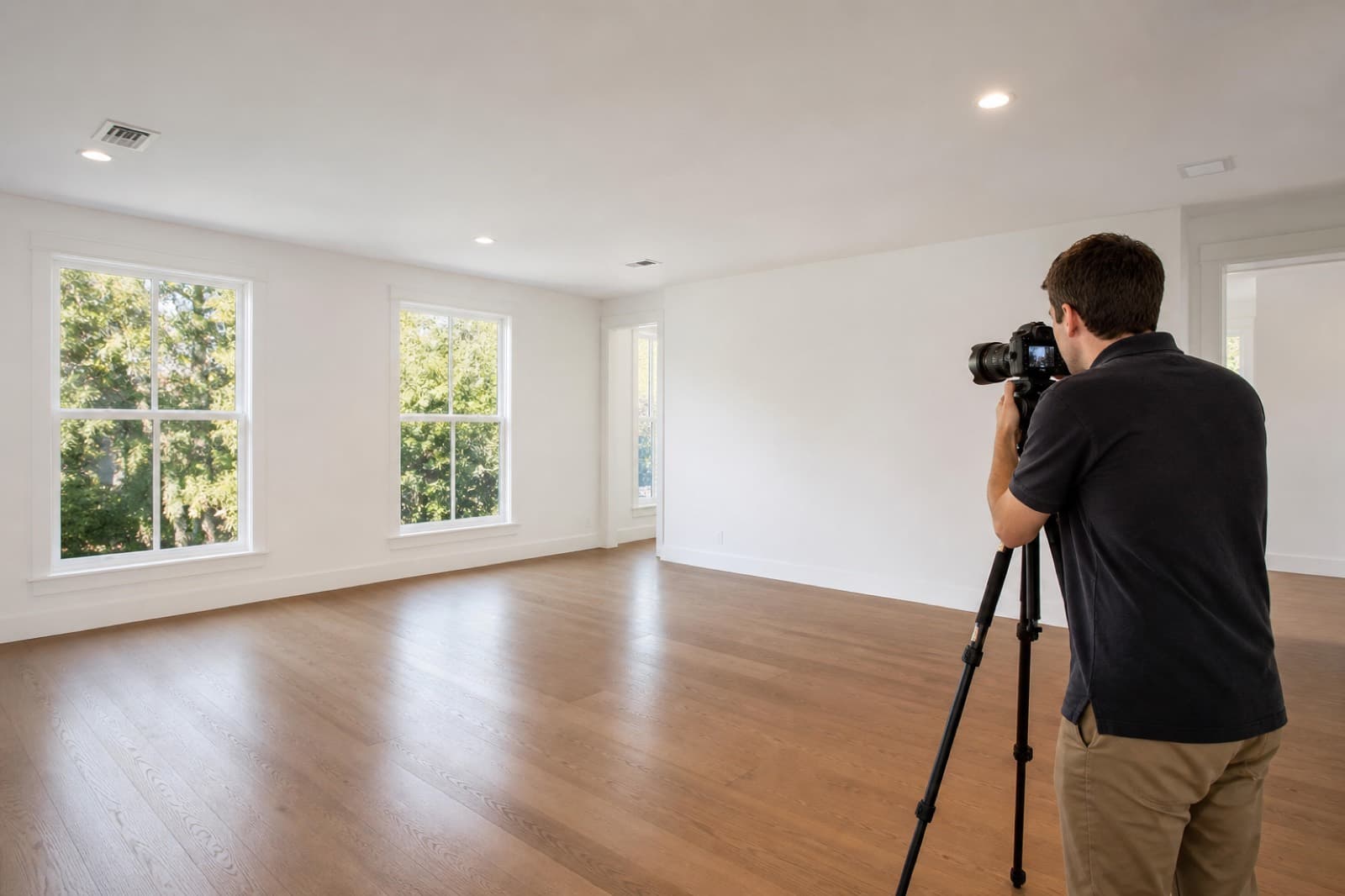
How to Photograph Empty Rooms for the Best Virtual Staging Results
Virtual staging is only as good as your source photo. A practical shoot guide for estate agents and photographers — angles, lighting, height and settings that make staging look flawless.